Tag: staycuriousandwellread

Double Vision

If you opened your ears you would hear our song on the wind that moves your world

Double Vision

I’m not going to give too much of a written introduction to this one because, surprise surprise, I’m including a video of myself performing it! I give a little intro in the recording so be sure to watch (and like and comment if you feel that way inclined). I wrote Double Vision for a Black History Month event at my university in 2019. You’ll be able to hear how awfully nervous I was but I hope the message still gets through. A lot has changed since 2019 but unfortunately, a lot has stayed the same, so I think this poem is as applicable now as it was back then.


If somebody told me -
“You’re just too good to be true”
I wouldn’t necessarily assume
it was a compliment

Some struggle to reconcile the darkness of my skin with the light of curiosity in my eyes.
Some struggle to understand how the rhythm of my grandmother’s pidgin became the melody in my oratory
Some struggle to see our existence through the fiction mainstream feeds them.
History finds us distasteful and still we are swallowed by the gluttony of prejudice-

Maybe this is why they boast that they don’t see colour.
They can take their eyes off of me, they do so gladly 
because it’s easier to shut your eyes than to resolve the double vision of textbook vs truth.

We are not too good to be true.
We should not be reduced because we are taller than someone’s tale.
We will not be fictionalised.

If you opened your ears you would hear our song on the wind that moves your world
It sounds like bittersweet and reggae beat and drums that talk of our story
If you opened your heart you would grasp the forbidden love between “black” and “excellence”
a fruitful love, that shines amidst disbelief and dismissal.
If you opened your eyes you would read us between the lines of your past-
we are there in every shape and form, we have always been there.

That’s all black history really is: history that has received the gift of sight.


stay curious and well read

“I love you, Ezy”

Photo by Creation Hill on Pexels.com

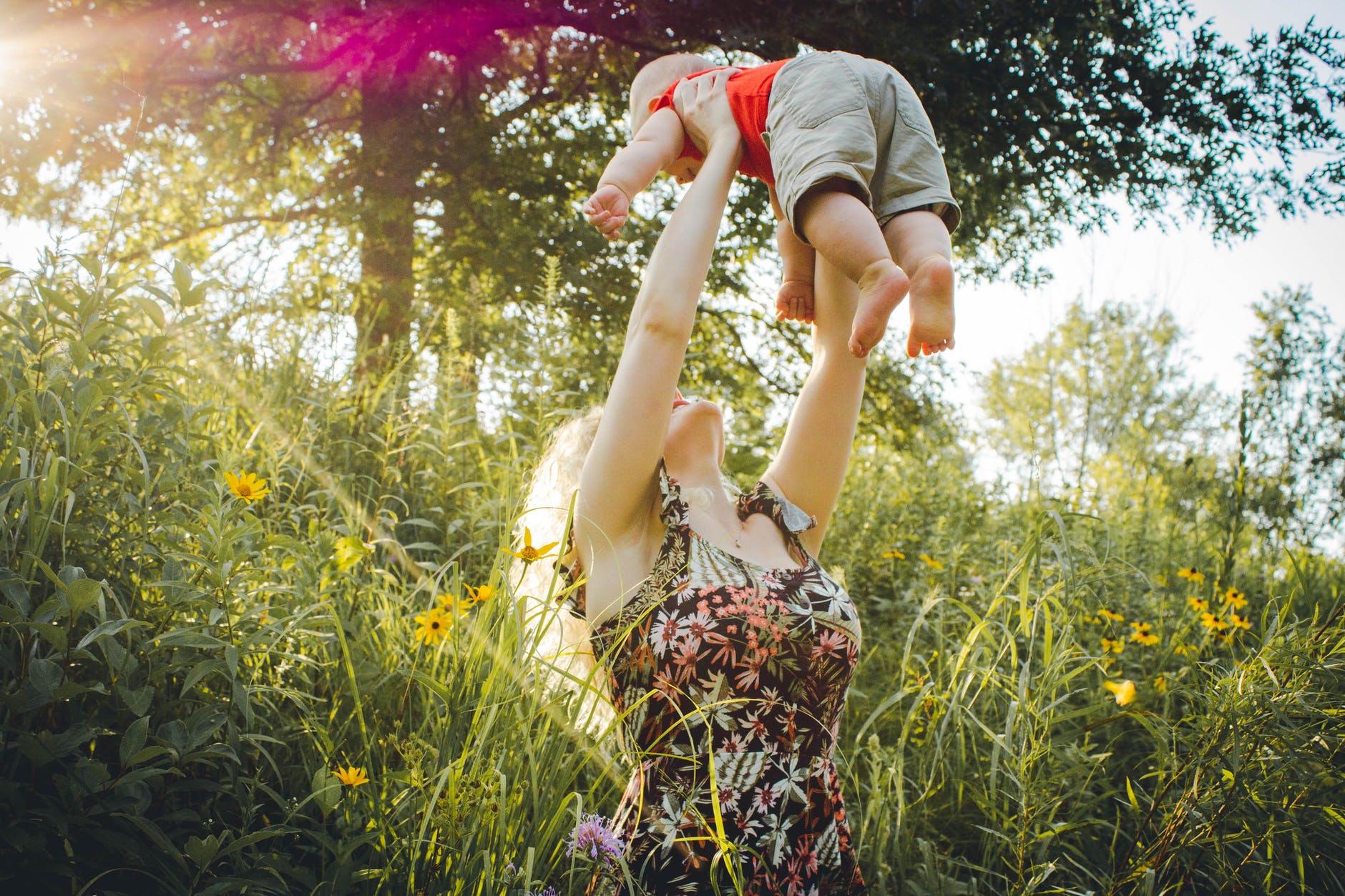
Every bone in her is a climbing frame / he swings heavenward on her taut laughter

“I love you, Ezy”

In the intro to Word association I spoke about the internship I did with W&S. My main project with them involved running some poetry workshops with women living in a refuge having fled domestic abuse. Myself and my fellow intern chose this project because we had been affected by the issue and cared deeply about it. I wrote this poem for a lady who lived at the refuge with her son because the way they loved each other was particularly striking to me. She cried when I read it to her but maybe that isn’t saying much because she tended to cry a lot.


A woman looks at her son.
She tells him,
“I love you, Ezy”
She smiles at him and her teeth are the stars
wide-eyed he is blind to all the night in her.

A woman plays with her son.
She tells him,
“I love you, Ezy”
Every bone in her is a climbing frame
he swings heavenward on her taut laughter.

A woman disciplines her son.
She tells him,
“I love you, Ezy”
He fights her in flickers, but she is never at war with him
they have a greater fire to face.

A woman comforts her son.
She tells him,
“I love you, Ezy”
She wraps around him like warmth with a heartbeat
so loud the shadows hide. They have never seen a love so sharp.

A woman teaches her son.
She tells him,
“I love you, Ezy”
Joy is watching his mind ripen but she dreads harvest
when, plucked from her roots, he becomes apart.

A woman fears for her son.
She tells him,
“I love you, Ezy”
What template will be used to construct a man out of her boy?
How long will his anchor hold in the love of a woman ruptured by love?

A woman cries.
Her face crumples like a thrown away 
marriage certificate.
A collapsed climbing frame litters 
the remains of a bulldozed playground.
He clambers up to her face, wiping her tears with his nose like
he is trying to inhale her heartbroken.

A woman looks at her son.
For him she is a shapeshifter. She is malleable.
She tells him,
“I love you, Ezy”
But she does not lie like men do.

stay curious and well read

autumn

Photo by Pixabay on Pexels.com

They hear the music they patiently waited for and they leap up to meet it, skirts whirling

autumn

What could be more cliche than writing a poem about autumn, am I right? Well – it’s debatable whether what follows is a poem or a stream of consciousness or a brain dump. You decide. I remember writing this whilst sitting on my tiny bed in my tiny room in halls during first year. The golden leaves on the trees outside my window were being stirred by the wind in a way that seemed worthy of some words so here they are.

I’m slightly improving this as I type it onto the blog – don’t tell anyone.


The wind glides on the leaves and they come alive at its touch.
Leaf is no longer leaf - all its aspects are heightened, every colour takes on new energy,
a vibrancy and excitement suppressed just below the surface while the wind lay low
but as it rises the colours rise and bubble over and dance amongst each other in such a frenzy
that they are no longer green and yellow and orange but one.

These leaves are not passive. They do not, with unconscious ease, fall like some foolish damsel in the arms of the wind's mighty gusts.
Far from it. They hear the music they have waited for and they leap up to meet it, skirts whirling,
voices raised in unspeakable joy, for who can understand, who can explain such elevation?

Then silence seems to descend
and a deep stillness permeates the scene
but how can such utter delight ever be forgotten? No-
the leaves laugh in memory and a small tremor, a lilt remains

A sweeping glance brings to mind some static painting, some lifeless composition, a two dimensional death.
But the human hand can never understand, sweeping glances are unworthy.

And yet, despite it all, there remains a shadow.
This joy will soon cease in a cascade of falling dancers.
But this is nature, you say, in this too there is beauty. Ah, but with a touch of melancholy for we remember that
the whole creation groaneth and travaileth in pain together until now
The faintest sigh escapes the heart of every dancer as she falls but just as we wait for the glory which shall be revealed in us, so too the fallen leaves patiently wait for the new song of the mighty gusts' Maker,
to which they will rise with a laughter purer than ever before and we too will understand, finally, eternally,
their unadulterated bliss.

stay curious and well read

Dusk

Photo by luizclas on Pexels.com

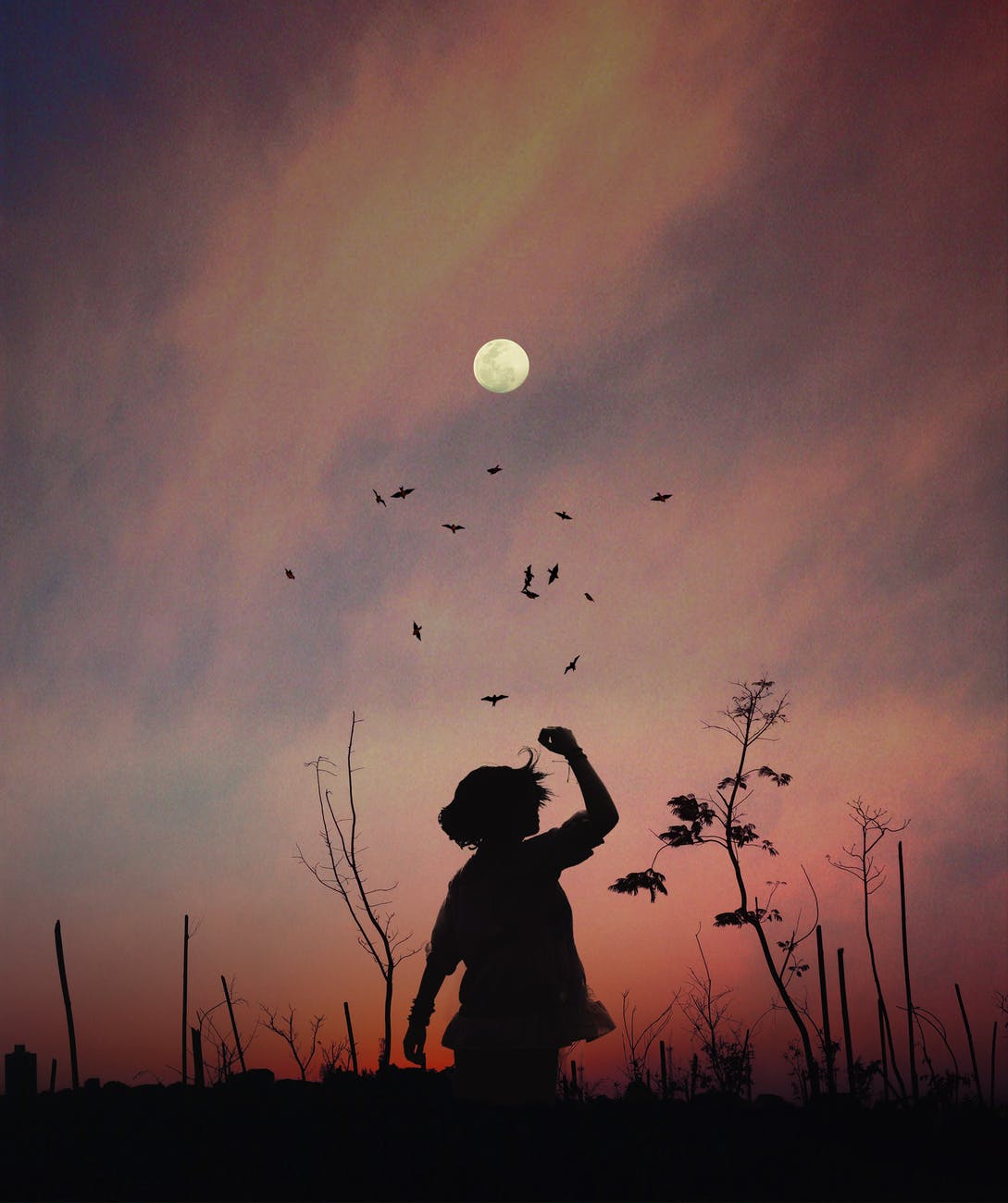
As one light dwindled and the other dimly shined,/In that blissful liminality, our corruption was overlaid with the essence of true freedom. 

Dusk

I’ve neglected this blog for a while mostly because my last two years of university were insanely busy and I barely had time to exhale, let alone maintain this site. However, I have not been creatively idle during these months of COVID madness. I wish I could have written more but life is life.

Most of the following posts are poems I created during this period but the first two are throwbacks. I think Dusk is the second ‘proper’ poem I ever wrote, way back in my teenage years. My good friend Claudia and I have adjacent birthdays so we had a joint celebration that involved a surreally beautiful time at a park, hammock swinging, bike riding and good conversation having. To top it all off, we were blessed with a stunning dusk. I was intensely happy on that day in a way I take pains to describe in this poem. I don’t know if I manage it but talking about feelings is notoriously hard. Enjoy.


We all seemed suspended in satisfaction.
Nothing was real, or perhaps reality was shrouded in some delicately woven gossamer 
exuding a light all its own.

Not of the sun, that chill authority, for it was setting then
and it does not know how to bathe the earth in a soothing glow
But only how to set it ablaze. 
The sun knows no gentleness, no human sympathy.

For how can it, when from time’s birth it has loomed over all our fruitless friction?
It has never sought to understand the fragile weakness of our hearts.

It is far away.

No. It was not that light that graced the hairs on your skin and danced with mine about my neck.

Nor was it the moon, that lesser light, the nocturnal queen on the brink of assuming her throne.
Less fierce than her spouse but just as cold
like a great steel eye, watching as the strife of this life 
mingles with our nightly tears or 
rips up our sleep with visionary fears.

But there was a moment

in which we could escape the tyranny of those distant spheres.
As one light dwindled and the other dimly shined, 
In that blissful liminality, our corruption was overlaid with the essence of true freedom.
And through that light we saw in each other’s eyes
the soul unshackled

stay curious and well read

Pandora’s box

Tomorrow they will rise, expecting the yellow of the sun and the ring of life laughing as it plays in the streets.

Pandora’s box

I always think it’s more fun to read a poem without any blurb or description beforehand. A blurb might curtail your imagination and we wouldn’t want that. However, I will refer to and expound on some parts of the poem in the reflection section so you can see my interpretation. 

Also, if you would like to experience the poem the way I do, re-read the penultimate stanza a few times on a loop as quickly as you can, then read the last stanza.

Also, comment down below if you know the piece of literature that I quote from in the poem.


A solitary plane in the moonlight.
The stars are quiet, burning softly.
For they know not what comes.
 
What the plane has unleashed into the night:
A box. Just a simple box. Falling slowly.
 
As it descends its borders seem to blur until it transforms from an
object into an emotion
Now there is only the sense of falling, the tremor, the confusion
of the
heart as it is 
displaced 
from its home in the haven of the chest,
as it rises to the throat and hovers there, quivers there, 
expectant
 
       It lands; but it does not yet wake the sleepers.
Tomorrow they will rise, expecting the yellow of the sun and the ring of
life laughing as it plays in the streets.
 
But the box is open now, and it is their hearts that quiver as the earth falls:
 
weeping, no sun but violence in the sky the wind writhing in torment tearing the clouds asunder the elements furious, a voice was heard in Ramah lamentation and bitter...


They seek the source, scour and search.
But the box is fragments now, broken by its own power.
They are left to quiver and to fall and to burn
Whilst a solitary plane flies silent amongst the tumult of the skies.

Now onto the reflection.

stay curious and well read

Foreign Policy for One

If you haven’t read Pandora’s Box, find it here.

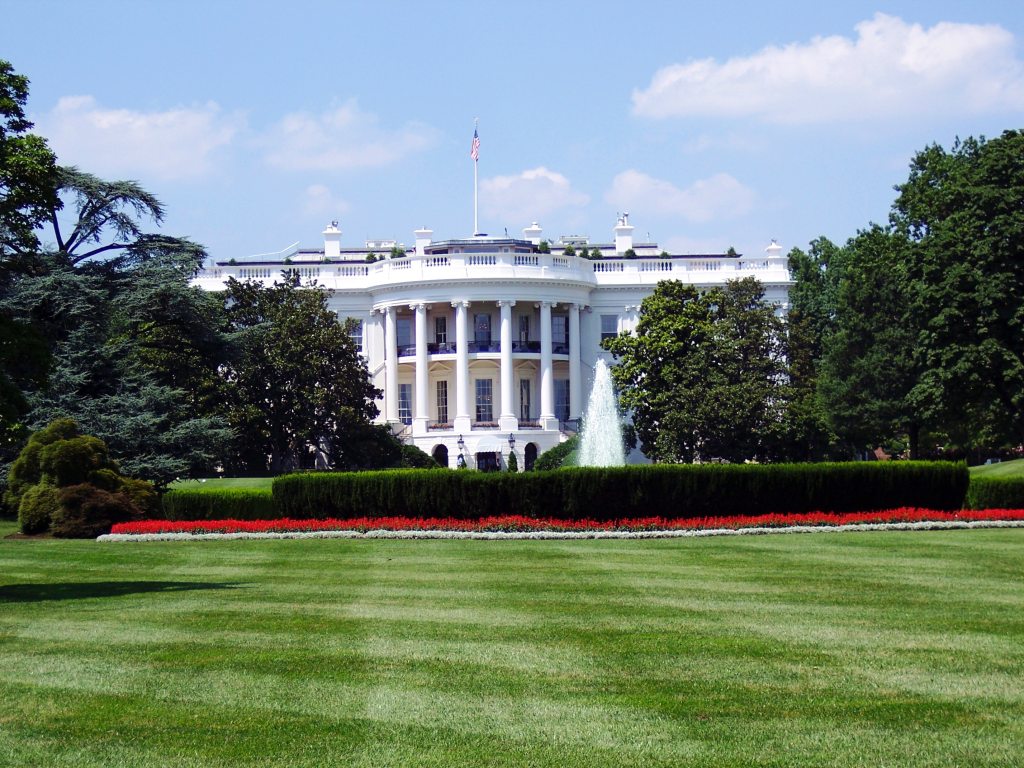
War means different things to different people. For some it is a thing to wield and for others it can only be run from or suffered. An inalienable characteristic of war is that often those who wield it are not the ones who bear the brunt of its life-shattering power. That’s something I try to convey in the poem: the plane flies away after dropping the bomb (Pandora’s box, get it?) seemingly untouched by the devastation it causes. Likewise, those in the upper echelons of government are rarely forced to embody the consequences of the wars they start or withdraw from. This is especially the case when the conflict is a proxy war, such as the Syrian civil war. A proxy war is a war in which several actors have an interest in the outcome of the conflict and therefore use their resources to influence it, but are not directly involved. 

Trump’s tactics

This unequal state of affairs cannot really be helped. What worries me is that, in some cases, the geographical and emotional distance of decision-makers from the impact of war seems to engender a flippancy on issues where flippancy is at best, insensitive, and at worst, destructive.  This is strikingly apparent in Trump’s tendency to conduct foreign policy through Twitter; in December 2018 he abruptly tweeted that all US troops in Syria would be withdrawn. Social media not only extends the distance described above but is also isolating. 280 characters is like a narrow corridor; its width is the width of one person. You cannot fit your advisors and heads of department whose counsel is contrary to your wishes in the corridor. Neither can you fit your allies: the vulnerable groups who were not expecting your support to be suddenly withdrawn, or the countries looking to yours to set the example for strategy. Strategy? There’s no room for that in this corridor. Thus these unilateral decisions lead to fear, insecurity and resignations.

Due to the fact that, as mentioned above, the Syrian conflict is a proxy war, many, many actors would have been affected by the withdrawal Trump was proposing. Most importantly, the prospect of losing their strongest ally shot fear through the hearts of the Syrian Kurds who would have been left almost defenceless against Islamic State, Turkey and the Syrian government. It is generally believed that, contrary to the President’s statements, Islamic State has not yet been defeated and any withdrawal could have made Syrians once again vulnerable to the extreme terrorism that punctuated the civil war. This would have been compounded by the loss of Mercy Corps, a humanitarian organisation, who stated that without the US ground forces they would not have the security to provide assistance freely. In the poem I used the metaphor of a heart rising up in someone’s chest as they fall to evoke the unease of an impending doom you are powerless to avoid; perhaps some of the Kurdish fighters or Syrian civilians felt that way when they heard of Trump’s news. All these complexities, all this interwoven cause and effect, is in my mind like Pandora’s box falling from the sky and transforming from a concrete, knowable object into an abstract feeling of confusion-for those on the ground it is inexplicable why they should suddenly lose aid and protection and face an increasing frequency of terror attacks and…

‘Hold on a second!’, I hear you protest, ’None of this actually happened, Trump reversed his decision, remember?’ Even so, the unilateralism and instability that permeated this decision-making process remain. This is evident in the president’s subsequent declaration that he would also be withdrawing a large proportion of troops from Afghanistan. Furthermore, with the resignation of not only the US Defence Secretary but also the Pentagon chief of staff, Kevin Sweeney, things could get worse. The Pentagon had managed to steer the ship of US foreign policy amidst the turbulent waters of Trump’s tweets but the loss of these officials will have inevitably made steering much harder. Thankfully, some decisions can be taken back but once Pandora’s box is well and truly opened, while those in the plane fly away unscathed, those on the ground won’t be so lucky.

Click here for an update on this issue.

stay curious and well read
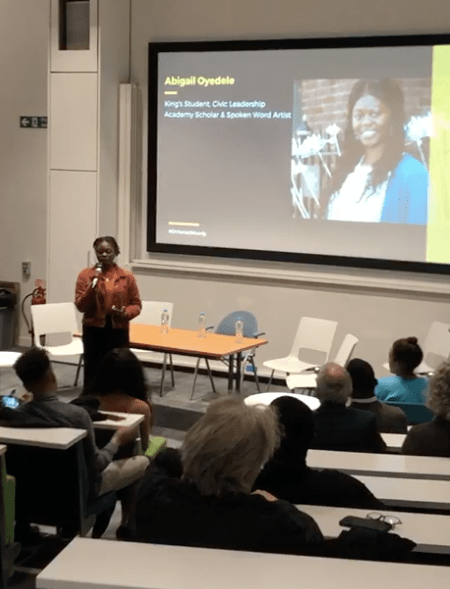
I’m Abigail, nice to meet you.

Here I am in my favourite reading position…


Hello there, thanks for coming! My name is Abigail and welcome to ‘The World in Verse’. I created this blog primarily for selfish reasons (sorry). I wanted a space where I could practise my writing whilst also getting feedback from the general public. I want to think more critically about the world I live in and be more productive with my thoughts. Hopefully, you’ll enjoy what you read and your thinking will be stimulated too. Engage as much as possible with my posts, critique is welcome (and nice comments). I would love to hear your responses to my poems, how they make you feel, how you interpret them. Go crazy in the comments!

Kinds of topics my blog will cover:

  • Lots of fascinating things.
  • I will not spoil the surprise by listing them here.
  • I’ve already said too much.

stay curious and well read