Hello there, thanks for coming! My name is Abigail and welcome to ‘The World in Verse’. I created this blog primarily for selfish reasons (sorry). I wanted a space where I could practise my writing whilst also getting feedback from the general public. I want to think more critically about the world I live in and be more productive with my thoughts. Hopefully, you’ll enjoy what you read and your thinking will be stimulated too. Engage as much as possible with my posts, critique is welcome (and nice comments). I would love to hear your responses to my poems, how they make you feel, how you interpret them. Go crazy in the comments!
Kinds of topics my blog will cover:
Lots of fascinating things.
I will not spoil the surprise by listing them here.
My imagination, high on post-war peace and smothered in sickly sweet safety cannot contort itself into the shape of the word ‘Holocaust’.
Under the Sun
When I was asked to write a poem for a Holocaust Memorial event at my university I felt incredibly unqualified. I had only recently begun to write sociopolitical poetry and had no knowledge of the Holocaust beyond what I had learnt in school. To tell the truth, I have always avoided Holocaust-related materials because I have not been brave enough to try to grasp the magnitude of those horrors. I have also felt somewhat detached from it, in a way that I don’t feel for other tragedies like the Transatlantic Slave Trade. This poem is as much a wake-up call for me as I hope it will be for other people who have not yet engaged with Holocaust history.
I often wonder what the sun must make of us
What moral judgements it pronounces against our collective self-harm.
Does it burn in contempt of the cruelty it has seen
Or are its fires a reflection of our own black desires?

I often wish I was as old and as everywhere as the sun
With a gaze like a shard of light, sharp enough to pierce hard hearts
and release the echo of lives swallowed up in hate.
Maybe then I could comprehend the stories I've heard, of horrors unwitnessed,
that I am responsible for remembering.

But I am not like the sun.
My imagination, high on post-war peace and smothered in sickly sweet safety
cannot contort itself into the shape of the word
'Holocaust'.
Movies move me for a moment, I am constrained by reconstructions for a time but all these leave me
much too whole, much too home, much too un-displaced.

Yet, I am one with this broken humanity as we all are
We do not share in the sun's isolation.
When fragments of the past fall down to us on the lips of those whose memories
know more shades of black, more shades of red than their imaginations
We must not shy away from the intensity of that colour.
When they are gone, we must carry their words on our tongues, their hearts on our sleeves, their tears on our cheeks.

The responsibility of remembering is too heavy to bear alone
It would slow your heart, take your breath away, quench all hope.
It is a good thing, then, that that burden lies on the shoulders of those with and without memories.
It is a good thing, then, that that burden lies on the shoulders of everyone under the sun.
With minds dulled by not-my-reality TV / rocked to sleep / in the back-and-forth / of political sweet nothings
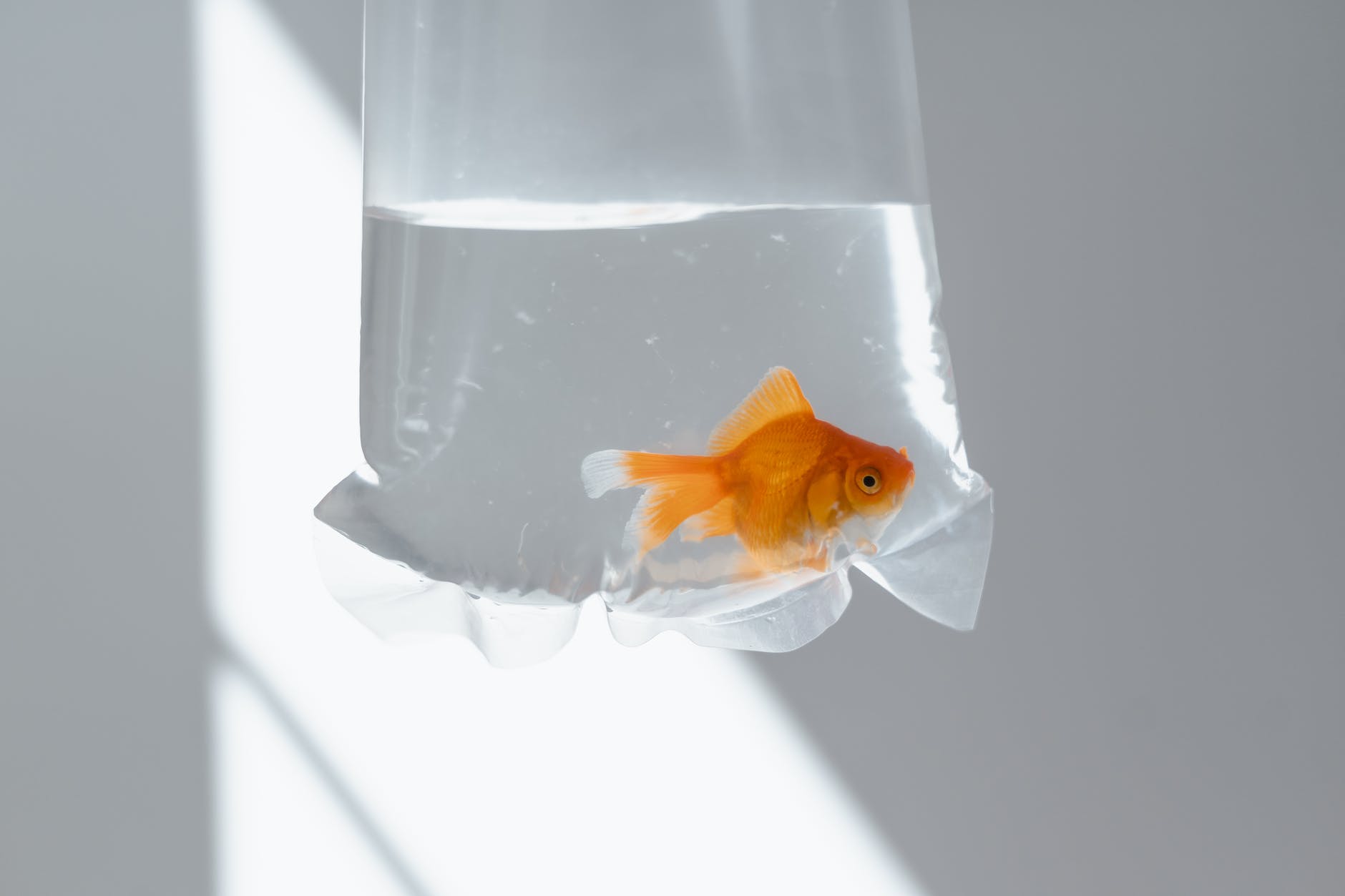
utopia is not for short-sighted goldfish
In 2020 I had the opportunity to participate in a poetry class with Writerz & Scribez, the organisation I interned with the year before. We would often be given lines from other poems, themes, words, from which we would have a few minutes to write something. I don’t know what the specific inspiration for utopia was but I do remember the session it came from. I was sitting in a tent in Cornwall struggling to maintain the hotspot connection between my phone and my laptop whilst also trying to produce something remotely meaningful to share with the rest of the group. Whatever the inspiration was it clearly sparked something for me because my brain was unusually full of ideas for this poem. Once the session ended, as the darkness descended, I stayed exactly where I was and scribbled until I’d produced something suitably solid.
When I was asked to do another Black History Month poem that year, I decided to return to what was, at that point, a nameless poem, and build on it, making it slightly more relevant to race. However, as you will tell from reading/listening to it, the poem isn’t heavy on the subject of race because I think the problem I am addressing limits are ability to productively engage with many social issues, not just racism.
The world is too large and dark a place
for the human attention span.

Utopia rests on the horizon of our understanding
She crouches in the shadows of this stubborn present, just within a visionary’s realm of sight
but before we can fix our gaze on her,
begin the hard march to that blessed horizon, we

swipe left, onto the next fleeting feather of a thing hovering lazily within our grasp
stealing our willingness to strain our eyes.

With minds dulled by not-my-reality TV
rocked to sleep
in the back-and-forth
of political sweet nothings
we crown ourselves warriors
amidst the roaring applause of
black squares on screens.

Utopia taunts us.
Once or twice an age the sun breaks over her shadows and she asks,
“Who will make the journey to my untouched shores?”
“Who will tread the paths paved by voices that have cried for generations, whose stories last longer than 24 hours?”
“Who is brave?”
“Who seeks after truth?”

Her call steals a moment of our screen time
and we forget that we are but fingers and thumbs
the distance across our keyboards the scope of our adventures.
But then the moment is over and we are whiplashed into submission by the vacillating sway of cultural approval.
Her call is drowned by the hypnotic ring of “X retweeted your...Y liked your...Z shared your...

more than this is required of us and yet
tik tok, time’s up, scroll down, refresh utopia with something easier.

As the shadows gather around her again,
obscuring her beauty in the idealism of myth
she leaves us as she found us, like a receding tide that leaves no mark on the coastline

Our necks remain bent, faces hinged on screens. The horizon is higher than our eye-level.

Congratulations if you made it to the end of this poem.
They surf the waves in my veins till they reach my extremities, my toes curl as the minor key shivers through me.
Modulation
I can’t quite remember where this poem came from. I took part in a poetry competition called I Know I Wish I Will in 2019/20 and submitted Modulation but I’m not sure if I wrote it specifically for that or if it already existed beforehand. I’ve always been puzzled by the fact that I love sad songs, melancholy melodies. This poem is me trying to work out why. I’ve linked a video of me performing Modulation on a friend’s Instagram Live. Like, comment, all that jazz. Hope you enjoy 🙂
Also – Modulation was published in a book. Pretty cool!
My heart is a home for many sad melodies.
They are always on the tip of my tongue or beating the drum of my ears.
They surf the waves in my veins till they reach my extremities, my toes curl as the minor key shivers through me.
But their home is in my heart.
Some of my heartsongs flew to me on the wind.
Anyone could have mistaken them for birdsong, but I recognised that plaintive tune that I knew birds were immune to.
These were the songs of children, the whispers of women, the sighs of men.
They were far away, and we were separated by languages and time zones and the apathy of the news anchor who told me their stories.
And yet-the same wind that chilled their bones chilled mine and as it brought their melodies I listened-and understood.
Some of my heartsongs were born when I was but I’m only now learning how to sing them. Their cadences were carved by the jagged edges of my childhood home, but their rhythm is straight, unyielding, jarring to the ear.
But when I roll these songs around in my mouth the bitter taste of their beats becomes sweet
I meet these songs and hear their story, and I offer them a home in my heart.
I too am a composer, you know.
I have drawn staves and bar lines on my skin,
And inscribed a treble clef where my veins should have been.
I have whispered my song to God in the night.
But not all my melodies look black under the spotlight, I don’t only sing the blues.
The bruises of life can look beautiful to the ears but so too can a friend’s laughter as it crescendos and the intimacy of tremolo, bow against string.
I have even learned to love the sound of the stillness after the final chord. I have learned to change keys.
If you opened your ears you would hear our song on the wind that moves your world
Double Vision
I’m not going to give too much of a written introduction to this one because, surprise surprise, I’m including a video of myself performing it! I give a little intro in the recording so be sure to watch (and like and comment if you feel that way inclined). I wrote Double Vision for a Black History Month event at my university in 2019. You’ll be able to hear how awfully nervous I was but I hope the message still gets through. A lot has changed since 2019 but unfortunately, a lot has stayed the same, so I think this poem is as applicable now as it was back then.
If somebody told me -
“You’re just too good to be true”
I wouldn’t necessarily assume
it was a compliment

Some struggle to reconcile the darkness of my skin with the light of curiosity in my eyes.
Some struggle to understand how the rhythm of my grandmother’s pidgin became the melody in my oratory
Some struggle to see our existence through the fiction mainstream feeds them.
History finds us distasteful and still we are swallowed by the gluttony of prejudice-

Maybe this is why they boast that they don’t see colour.
They can take their eyes off of me, they do so gladly
because it’s easier to shut your eyes than to resolve the double vision of textbook vs truth.

We are not too good to be true.
We should not be reduced because we are taller than someone’s tale.
We will not be fictionalised.

If you opened your ears you would hear our song on the wind that moves your world
It sounds like bittersweet and reggae beat and drums that talk of our story
If you opened your heart you would grasp the forbidden love between “black” and “excellence”
a fruitful love, that shines amidst disbelief and dismissal.
If you opened your eyes you would read us between the lines of your past-
we are there in every shape and form, we have always been there.

That’s all black history really is: history that has received the gift of sight.
Every bone in her is a climbing frame / he swings heavenward on her taut laughter
“I love you, Ezy”
In the intro to Word association I spoke about the internship I did with W&S. My main project with them involved running some poetry workshops with women living in a refuge having fled domestic abuse. Myself and my fellow intern chose this project because we had been affected by the issue and cared deeply about it. I wrote this poem for a lady who lived at the refuge with her son because the way they loved each other was particularly striking to me. She cried when I read it to her but maybe that isn’t saying much because she tended to cry a lot.
A woman looks at her son.
She tells him,
“I love you, Ezy”
She smiles at him and her teeth are the stars
wide-eyed he is blind to all the night in her.

A woman plays with her son.
She tells him,
“I love you, Ezy”
Every bone in her is a climbing frame
he swings heavenward on her taut laughter.

A woman disciplines her son.
She tells him,
“I love you, Ezy”
He fights her in flickers, but she is never at war with him
they have a greater fire to face.

A woman comforts her son.
She tells him,
“I love you, Ezy”
She wraps around him like warmth with a heartbeat
so loud the shadows hide. They have never seen a love so sharp.

A woman teaches her son.
She tells him,
“I love you, Ezy”
Joy is watching his mind ripen but she dreads harvest
when, plucked from her roots, he becomes apart.

A woman fears for her son.
She tells him,
“I love you, Ezy”
What template will be used to construct a man out of her boy?
How long will his anchor hold in the love of a woman ruptured by love?

A woman cries.
Her face crumples like a thrown away
marriage certificate.
A collapsed climbing frame litters
the remains of a bulldozed playground.
He clambers up to her face, wiping her tears with his nose like
he is trying to inhale her heartbroken.

A woman looks at her son.
For him she is a shapeshifter. She is malleable.
She tells him,
“I love you, Ezy”
But she does not lie like men do.
They hear the music they patiently waited for and they leap up to meet it, skirts whirling
autumn
What could be more cliche than writing a poem about autumn, am I right? Well – it’s debatable whether what follows is a poem or a stream of consciousness or a brain dump. You decide. I remember writing this whilst sitting on my tiny bed in my tiny room in halls during first year. The golden leaves on the trees outside my window were being stirred by the wind in a way that seemed worthy of some words so here they are.
I’m slightly improving this as I type it onto the blog – don’t tell anyone.
The wind glides on the leaves and they come alive at its touch.
Leaf is no longer leaf - all its aspects are heightened, every colour takes on new energy,
a vibrancy and excitement suppressed just below the surface while the wind lay low
but as it rises the colours rise and bubble over and dance amongst each other in such a frenzy
that they are no longer green and yellow and orange but one.

These leaves are not passive. They do not, with unconscious ease, fall like some foolish damsel in the arms of the wind's mighty gusts.
Far from it. They hear the music they have waited for and they leap up to meet it, skirts whirling,
voices raised in unspeakable joy, for who can understand, who can explain such elevation?

Then silence seems to descend
and a deep stillness permeates the scene
but how can such utter delight ever be forgotten? No-
the leaves laugh in memory and a small tremor, a lilt remains

A sweeping glance brings to mind some static painting, some lifeless composition, a two dimensional death.
But the human hand can never understand, sweeping glances are unworthy.

And yet, despite it all, there remains a shadow.
This joy will soon cease in a cascade of falling dancers.
But this is nature, you say, in this too there is beauty. Ah, but with a touch of melancholy for we remember that
the whole creation groaneth and travaileth in pain together until now
The faintest sigh escapes the heart of every dancer as she falls but just as we wait for the glory which shall be revealed in us, so too the fallen leaves patiently wait for the new song of the mighty gusts' Maker,
to which they will rise with a laughter purer than ever before and we too will understand, finally, eternally,
their unadulterated bliss.
As one light dwindled and the other dimly shined,/In that blissful liminality, our corruption was overlaid with the essence of true freedom.
Dusk
I’ve neglected this blog for a while mostly because my last two years of university were insanely busy and I barely had time to exhale, let alone maintain this site. However, I have not been creatively idle during these months of COVID madness. I wish I could have written more but life is life.
Most of the following posts are poems I created during this period but the first two are throwbacks. I think Dusk is the second ‘proper’ poem I ever wrote, way back in my teenage years. My good friend Claudia and I have adjacent birthdays so we had a joint celebration that involved a surreally beautiful time at a park, hammock swinging, bike riding and good conversation having. To top it all off, we were blessed with a stunning dusk. I was intensely happy on that day in a way I take pains to describe in this poem. I don’t know if I manage it but talking about feelings is notoriously hard. Enjoy.
We all seemed suspended in satisfaction.
Nothing was real, or perhaps reality was shrouded in some delicately woven gossamer
exuding a light all its own.

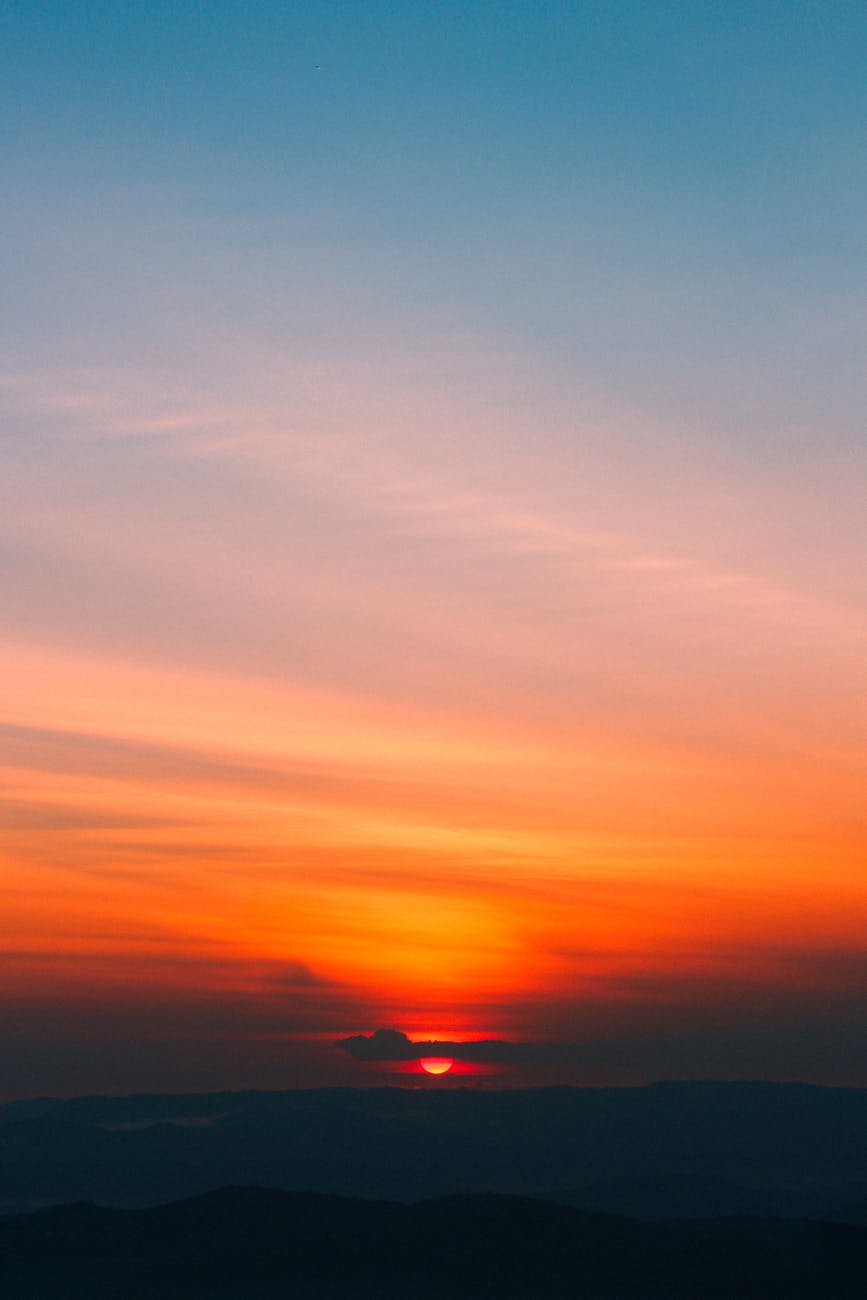
Not of the sun, that chill authority, for it was setting then
and it does not know how to bathe the earth in a soothing glow
But only how to set it ablaze.
The sun knows no gentleness, no human sympathy.

For how can it, when from time’s birth it has loomed over all our fruitless friction?
It has never sought to understand the fragile weakness of our hearts.

It is far away.

No. It was not that light that graced the hairs on your skin and danced with mine about my neck.

Nor was it the moon, that lesser light, the nocturnal queen on the brink of assuming her throne.
Less fierce than her spouse but just as cold
like a great steel eye, watching as the strife of this life
mingles with our nightly tears or
rips up our sleep with visionary fears.

But there was a moment

in which we could escape the tyranny of those distant spheres.
As one light dwindled and the other dimly shined,
In that blissful liminality, our corruption was overlaid with the essence of true freedom.
And through that light we saw in each other’s eyes
the soul unshackled
Victims of state injustice in cases involving white females.
The story has become well known. In August 1955, 14-year-old Emmett Till travelled from his home in relatively progressive Chicago to Jim Crow Mississippi to visit his extended family. Emmett was somewhat of a joker and whilst there he entertained his friends by telling them he had a white girlfriend back home in Chicago. To test him, his friends dared him to speak to a white woman, Carolyn Bryant, who was manning a nearby store. None of us can know for sure what happened between the two, records range from him whistling at her to him calling “Bye, baby” as he left. What is known is that on 28th August 1955, Emmett Till was abducted by Bryant’s husband and his half-brother, mutilated beyond recognition and murdered. A life, a child’s life was taken to protect and uphold the ego of a white woman. Sound familiar?
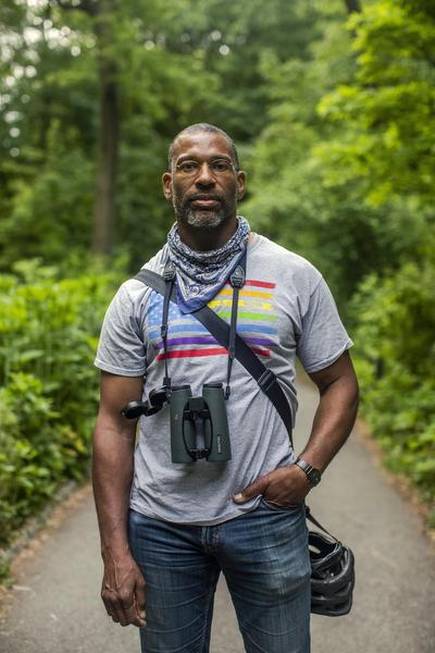
The Amy Cooper case has cycled through our social media feeds recently. The video of her calling the police on Christian Cooper (not related), an African American who asked her to put her dog on a leash in accordance with park rules, would be funny if it was not so eerily reminiscent of a historical trend. Her dog, which can be seen in the video writhing in her hands like something possessed, would definitely agree with me. Why did Amy Cooper say, with a smug tone and a self-assured flick of the head, “I’m gonna tell them [the police] there’s an African American man threatening my life”? The statement was a lie, including the man’s race did not make it any less of one. She knew however, that this racial reference would have power with the police. She had been socialised to expect to have her way, to dominate in a dispute against a black man. Her nation, and to some extent the world, had established the black man as a perpetual threat to and assailant of the white woman and it had become the role of the state to protect the illusionary white victim at all costs.
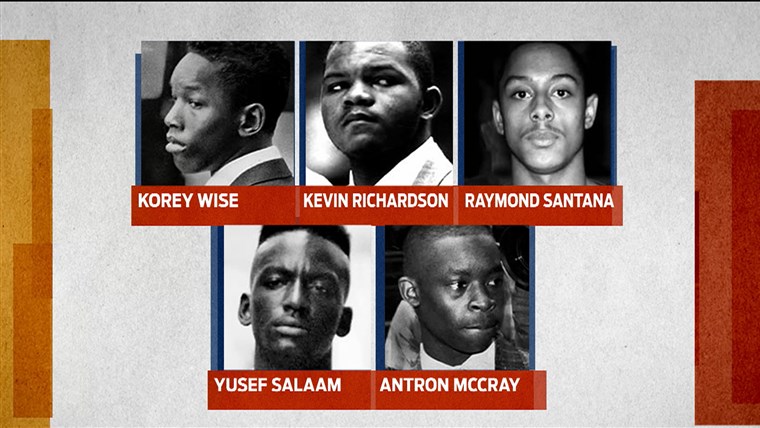
From ‘Othello’ and ‘To Kill a Mockingbird’ to ‘The Birth of a Nation’ and ‘Get Out’, literary and cinematic culture has not shied away from the tensions between black men and white women. The interaction in ‘Of Mice and Men’ between Curley’s wife, a white lady married to the boss’s son, and Crooks, the negro labourer, still terrifies me four years on from GCSE English. Curley’s wife tells Crooks, “I could get you strung up on a tree so easy it ain’t even funny”. The Amy Cooper case ain’t even funny either. The power dynamic between black men and white women that we see in literature and film is not a fiction-it reflects history and present-day society. The cases of the Scottsboro Boys, which reportedly inspired aspects of ‘To Kill a Mockingbird’, George Stinney, the Central Park 5 and Darryl Hunt are just a few examples. The recent incident involving ‘BBQ Becky’ is also strikingly similar to Amy Cooper’s.
It may seem like the cases of Emmett Till and Christian Cooper are more different than they are similar: Mr. Cooper was not killed, he was not even arrested. Amy Cooper complained to the state, not to vigilantes. However, when we consider the speedy acquittal of Till’s murderers and the fact that they remained legally innocent despite publicly confessing to their crimes, we realise that the police and judicial system of the time endorsed the actions of the killers. As Roy Wilkins, head of the NAACP, stated matter-of-factly, “the state of Mississippi has decided to maintain white supremacy by murdering children” [emphasis mine]. Thus we see in both cases a state that is known by its civilians to be unjust and violent against black males in particular. This knowledge allows white civilians to use the injustice and violence to their advantage. Amy Cooper knew very well that the police could come down there and shoot Christian Cooper where he stood. It has happened too many times before. Carolyn Brant confessed in 2007 that she had lied on the stand about what went down between herself and Emmett Till, that he did not harass her as she said he did. Amy Cooper lied to all our faces. Never underestimate the power of a white woman’s lie in a racist society.
Crazy rolls of his tongue like a wave and erodes the coastline of your heart.
Word association
This post is somewhat unrelated to the normal theme of my blog but I want to keep you guys updated on my general creative development and use this space as a record of my work. Hope you don’t mind!
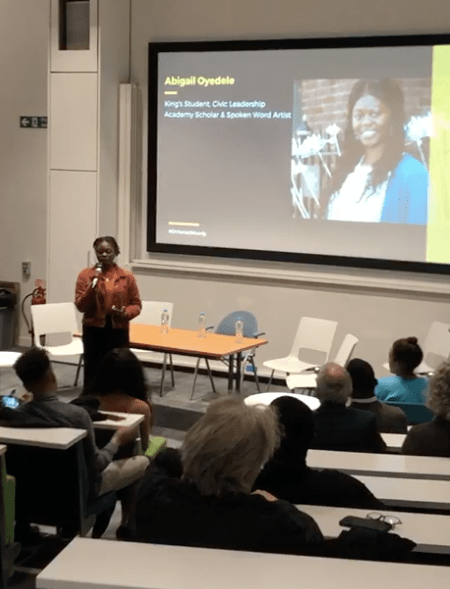
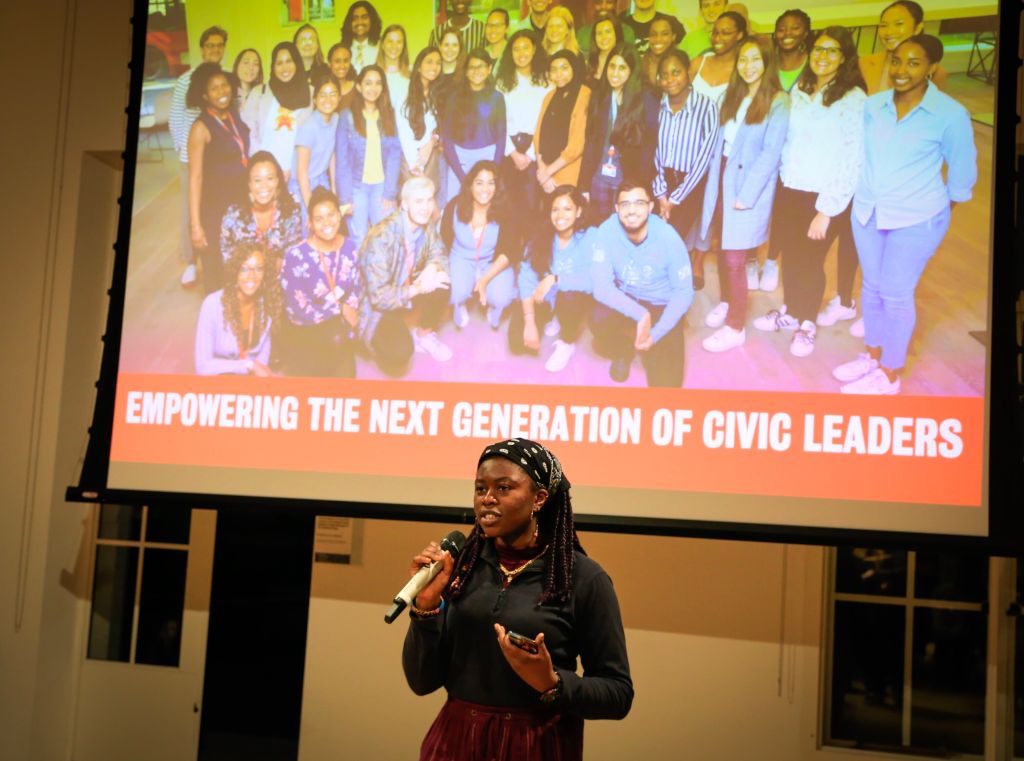
I’m part of the Civic Leadership Academy at my university, which involves a third sector internship and training in how to be a civic leader. The launch event of the program took place recently and I spoke about my experience so far after one month of interning at Writerz and Scribez. W&S is an organisation that endeavours to move art and creative writing into spaces where it is not normally appreciated. I also discussed why the arts are important for community engagement. From my experience, art and creative writing help you to discover yourself in a new way, they give you time with yourself. Through creativity, you can realise the skills and strengths that you have always had within and these can help you with whatever struggles you may be dealing with.
Furthermore, art and creative writing are powerful means of communicating your personal experiences in a way others can relate to. We all know pain, joy, disappointment, excitement, even if we don’t share the same experiences of these emotions. By expressing yourself creatively you let people into your emotions and allow others to recognise them in themselves.
I finished my talk with a poem named ‘Word association’. It’s inspired by domestic abuse and the power of words to hurt but also to heal.
Listen.
A word of warning.
Never underestimate the power of a word.
Don’t be misled by its laziness on the page,
like a player on a stage who’s forgotten his lines.
Don’t let its two-dimensional subtlety fool you into thinking that it’s speechless.

When he says “you’re crazy”-
The word crawls into your ears and
every repetition colours your mind black.
Crazy.
            Crazy.
                        Crazy rolls of his tongue like a
Wave and erodes the coastline of your heart.
Crazy bleeds through his teeth and it’s sharp enough to bite.
Crazy ties your hands so you’re powerless to fight.

Sticks and stones may break your bones but you’re afraid crazy will kill you.

Listen.
There is life in the friction of pen against paper,
that heat is the fire of resistance.
When you repurpose the letters he forced threw your name you harness the power of a poet:

Confident
Radiant
Admirable
Zesty
Youthful

You write the words and the ink is permanent and
suddenly the player is aware of his stage.
You and I must be aware of our stage
so we are ready to speak when they ask us for the words our identities are made of.

Listen.
Words are like water; they take the shape of their holder.
Let them take your shape. Let them shower you with clarity so all the world can see that
You. Are. Not. Crazy.
My words are ripples on the surface of these walls and I am mocked by their echo.
Trapped
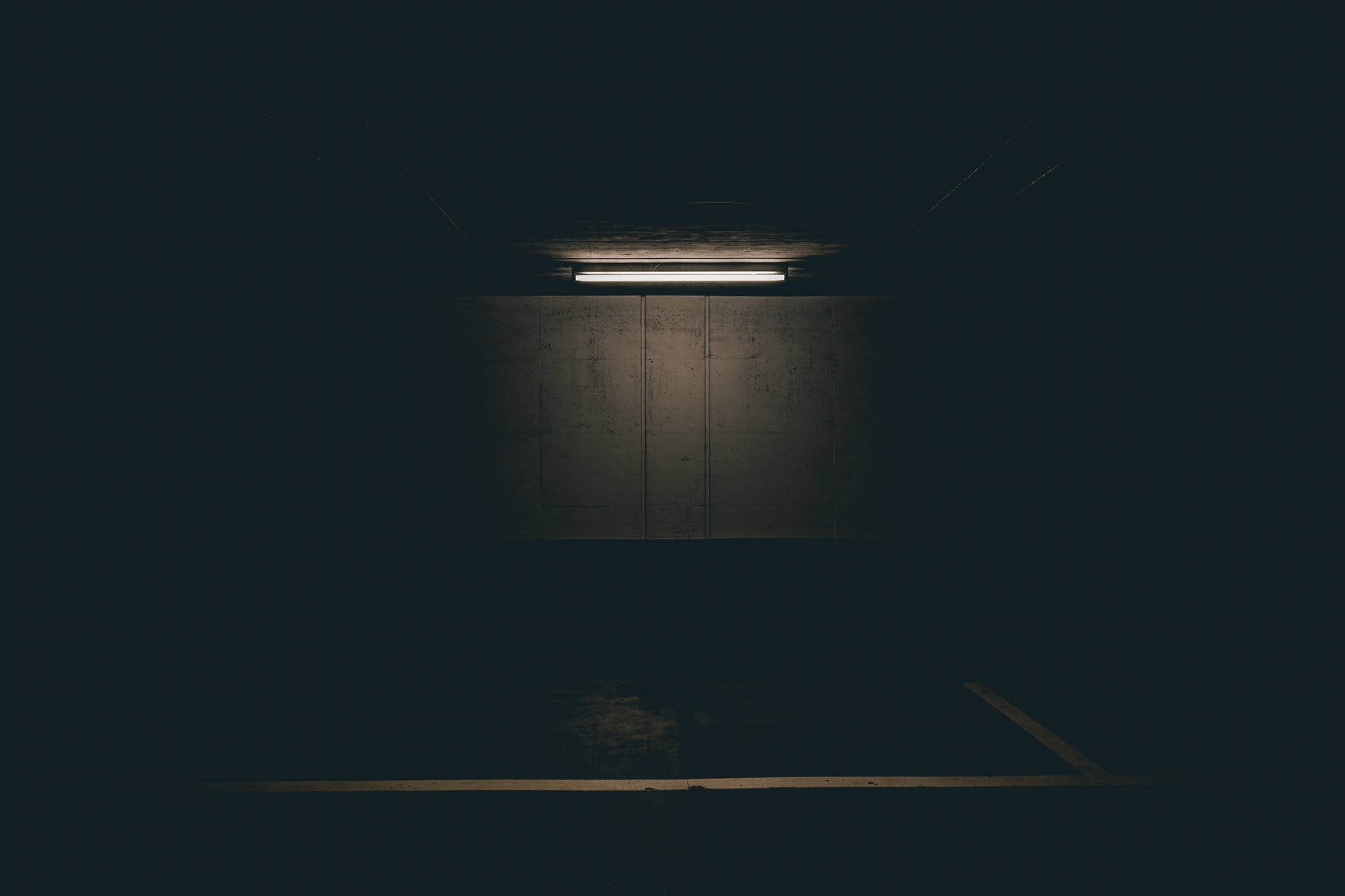
I am sitting in a room. The walls are opaque and seem to be shrinking.
But I don't want to dwell on that.
I don't want to dwell in this room either but that can't be helped.

To be quite honest, under normal circumstances, I wouldn't really mind being locked in here for a while.
I could probably enjoy the quiet, the sense of existing
out of orbit with the rest of the world.

But these walls are so black, and the floor, and the ceiling and
the black is so insurmountably thick.
I want to slice through it like a plane pierces a night sky with
light but the blackness
is intangible
and I
barely make a
crack.


These are not normal circumstances.
It's been two months and now I know it is not my imagination-these walls are getting closer by the second and I am running out of time to
give you this message that I'm really giving me instead of you because I am talking to myself. I know you can't hear me.
My words are ripples on the surface of these walls and I am mocked by their echo.

But if, by any chance, an echo bleeds through to the other side,
if, by any chance, my voice crosses the chasm that separates my black room from your excessively lit reality,
then please-
send help.




 The World in Verse